|
 |
|
Kingdom of England |
|
|
| 1688: |
Robert Peyton’s
Regiment of Foot
│ |
| 1789: |
Viscount Boyne’s
│ |
| 1706: |
John Newton’s
│ |
| 1707: |
Kingdom of Great Britain |
|
│ |
| 1714: |
Thomas Meredith’s
│ |
| 1719: |
William Egerton’s
│ |
| 1732: |
Earl of Effingham’s
│ |
| 1737: |
Richard St. George’s
│ |
| 1740: |
Alexander Rose’s
│ |
| 1740: |
Thomas Bligh’s
│ |
| 1742: |
ranked as 20th Foot
│ |
| 1746: |
Viscount Sackville’s
│ |
| 1749: |
Earl of Albemarle’s
│ |
| 1751: |
20th Regiment of Foot
│
│ |
| 1756: |
2nd Battalion raised
│ |
| 1758: |
2nd Battalion → 67thRegiment of Foot
│ |
|
│
│ |
| 1782: |
20th (East Devonshire)
Regiment of Foot
│ |
| 1799: |
2nd Battalion raised
│ |
| 1801: |
United Kingdom of Great Britain and Ireland |
|
│ |
| 1802: |
2nd Battalion disbanded
│ |
| 1842: |
Reserve Battalion raised
│ |
| 1849: |
Reserve Battalion disbanded
│ |
| 1858: |
2nd Battalion raised
│ |
|
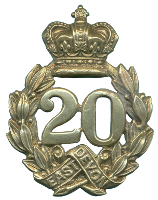
│ |
|
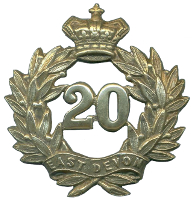
│ |
|
The creation of the territorial regiments by the Childers reforms |
|
│ |
|
 |
| 1881: |
1st Battalion, 2nd Battalion, |
|
The Lancashire Fusiliers
|
|
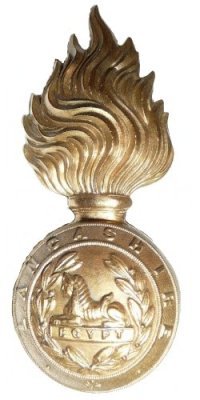
│ |
|
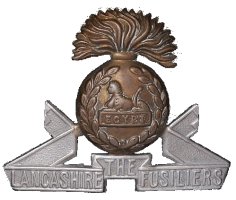
│ |
| 1898: |
3rd Battalion raised
│ |
| 1900: |
4th Battalion raised
│ |
| 1906: |
3rd Battalion and 4th Battalion disbanded
│ |
| 1922: |
United Kingdom of Great Britain and Northern Ireland |
|
│ |
| 1948: |
2nd Battalion disbanded
│ |
| 1948: |
│ |
| 1952: |
2nd Battalion raised
│ |
| 1955: |
2nd Battalion disbanded
│ |
| 1958: |
│ |
|
│ |
|
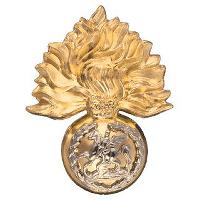
│ |
| 1968: |
4th Battalion,
The Royal Regiment of Fusiliers |
|
part of
The Queen’s Division |
│ |
| 1969: |
disbanded |
|
|